Overview
As Big Data and AI reshape the academic landscape, computational methods have become vital tools for research in linguistics, literature, and history. This evolving field centers on three core pillars: building large-scale corpora, leveraging quantitative analysis, and integrating the latest Large Language Models.
Our Summer College is dedicated to empowering the next generation of scholars in Computational Linguistics and Digital Humanities. The program offers a balanced curriculum of intensive technical workshops and a distinguished series of academic lectures.
The 4th Summer College of Corpora and Digital Humanities (CDH Summer 2026) will be held from July 25 to August 4, 2026, in a hybrid format at Nanjing Normal University. The event is hosted by the School of Chinese Language and Literature at Nanjing Normal University, in collaboration with the Faculty of Arts and Humanities at the University of Macau, the Division of Humanities at The Hong Kong University of Science and Technology, the Faculty of Humanities and Social Sciences at Beijing Normal-Hong Kong Baptist University, and the College of Information Management at Nanjing Agricultural University.
There is no registration or tuition fee for this program. However, participants are responsible for their own travel expenses to Nanjing and their accommodation costs during the event.
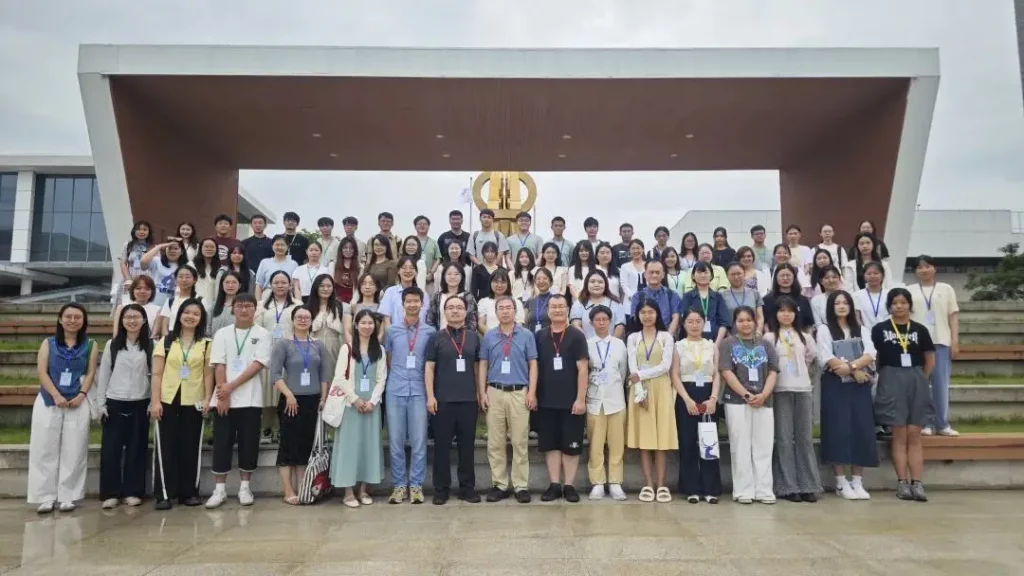
Workshop Tracks
Applicants may choose from one of the following three parallel tracks. Each workshop features a comprehensive curriculum of eight intensive sessions designed to bridge the gap between technical skills and humanities research.
Track A: Database Programming for Humanities
This track explores the methodologies of corpus construction and the development of interactive search engines. Using Complete Tang Poems as a primary case study, students will learn to implement structured data storage and create dynamic web displays for historical texts.
Instructors: Prof. Bin Li (Nanjing Normal University), Dr. Steve MA (The Hong Kong University of Science and Technology)
Key Topics: Database schema design, SQL queries, PHP programming, character encoding, and local LLM optimization.
Requirements: Windows 10/11 laptop (16GB RAM recommended). No prior programming experience required.
Track B: Statistical Methods for Corpus Linguistics
This workshop provides a rigorous foundation in quantitative analysis using SPSS. Applicants will master the core statistical techniques necessary to generate professional research reports and drive data-led interpretations.
Instructor: Prof. Wei Shen (Central China Normal University)
Key Topics: Parametric and non-parametric tests, Cluster Analysis, Chi-square tests, and Multiple Linear Regression.
Requirements: Laptop with SPSS 27.0 or above installed. Designed for researchers seeking to enhance their quantitative expertise.
Track C: LLM Programming for Humanities Research
This track covers principles of Large Language Models and their practical implementation in cultural and historical research. Students will gain the skills to develop custom LLM-based tools tailored for academic discovery.
Instructors: Prof. Dongbo Wang (Nanjing Agricultural University), Prof. Liu Liu (Nanjing Agricultural University)
Key Topics: Prompt Engineering, Supervised Fine-Tuning (SFT), Retrieval-Augmented Generation (RAG), and AI Agents.
Requirements: High-performance laptop (16GB RAM+). Basic Python proficiency is required.
Lectures & Academic Activities
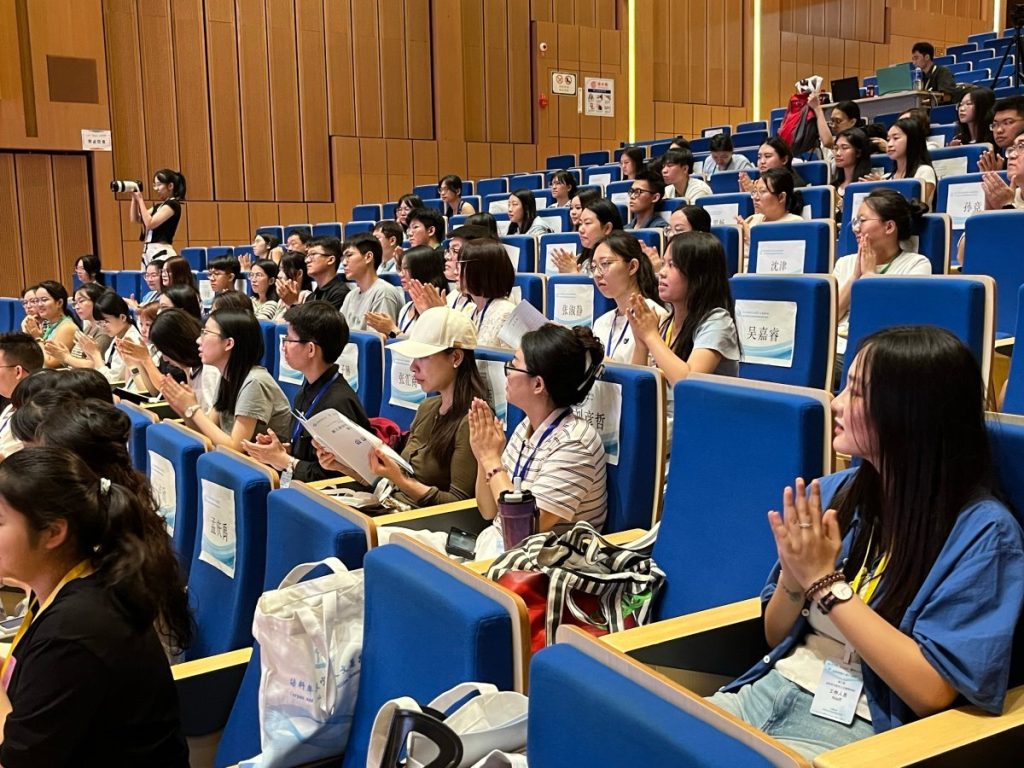
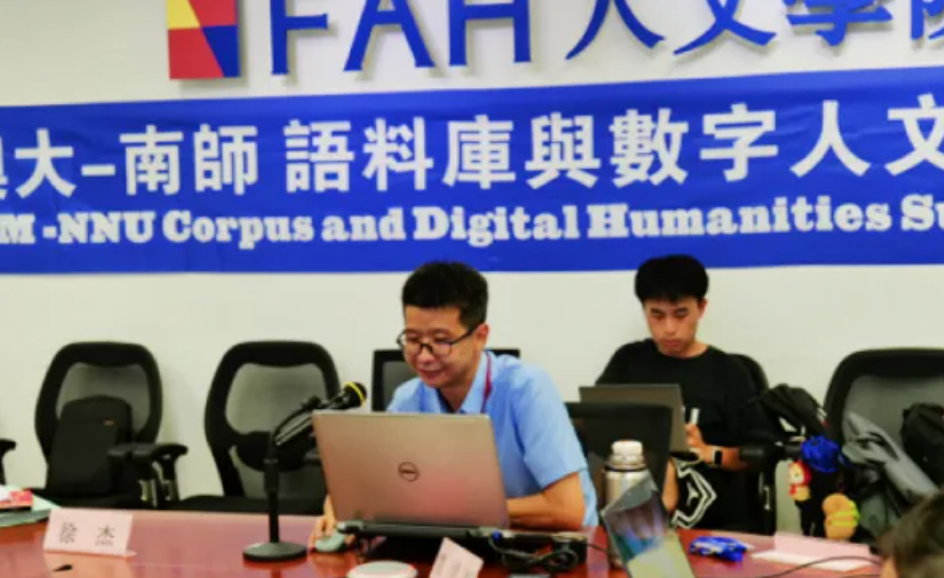
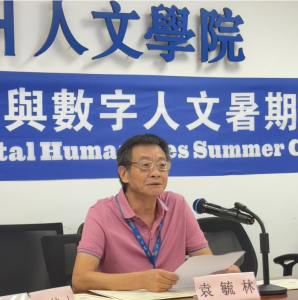
Distinguished Guest Lectures: A series of 20 sessions led by world-class scholars, including Prof. Feng Zhiwei and Prof. Yuan Yulin. These lectures explore the latest theoretical frontiers and innovative technical practices in the field.
Themed Roundtables: Dynamic panel discussions focusing on “Theoretical Reconstruction in the LLM Era” and “The Future of Digital Humanities,” offering deep insights into the evolving academic landscape.
Fieldtrips: Trips to historic sites across Nanjing, providing on-site students with a unique cultural perspective on this ancient capital.
Research Showcase: The program concludes with a capstone presentation where students share their research projects and receive official certificates of completion.
Admissions & Applications
Target Audience: We welcome applications from undergraduate and postgraduate students, early-career researchers, and faculty members in fields such as Humanities, History, Archaeology, and Media Studies.
Selection Process: The committee evaluates applications based on research background and stated learning objectives. Enrollment is limited to 240 seats.
How to Apply
Application Period: May 5 – May 15, 2026.
Materials: Please submit your CV and Statement of Purpose (outlining your research foundation and learning goals) via our official application portal.
Notification: Admission decisions will be announced via email by June 1, 2026.
Please do not worry if you have no prior coding experience; Tracks A and B are specifically designed for beginners. However, please note that applicants with a background in Computer Science are not eligible for these introductory tracks.
Looking forward to seeing you in Nanjing this summer!
Apply Here
Please note: The application portal is maintained by a service provider in Mainland China. Your personal information will be protected in strict accordance with the relevant laws and regulations of Mainland.